ECE Brussels Highlights the Role of Municipalities, Trust and Democratic Resilience in Countering FIMI at Enlargement Days 2026
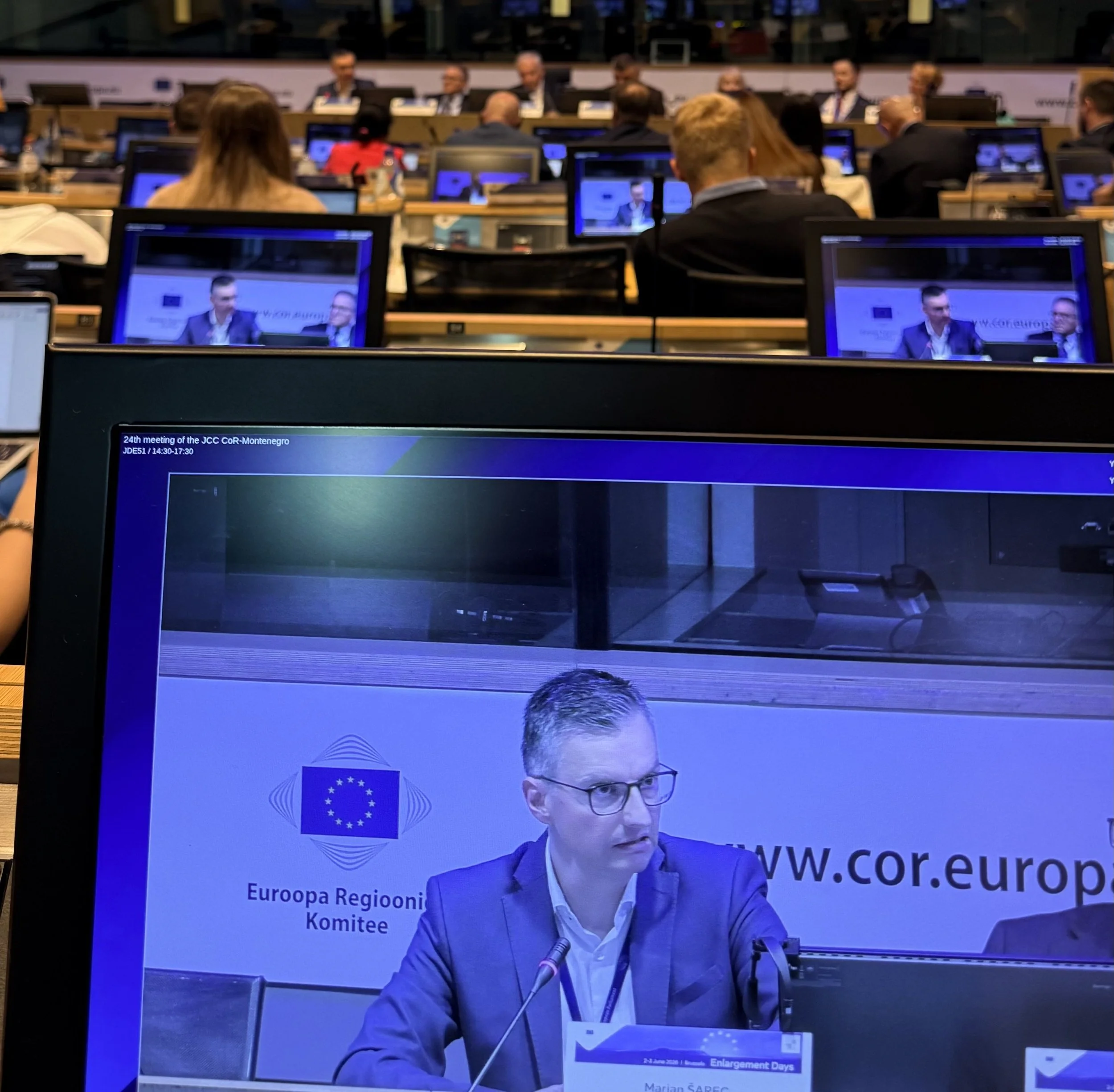
ECE Brussels at the CoR Enlargement Days 2026
BRUSSELS, Belgium, 2-3 June 2026 – The European Centre of Excellence (ECE Brussels) participated in Enlargement Days 2026, the flagship annual event of the European Committee of the Regions (CoR) dedicated to EU enlargement, democratic governance and cooperation between the European Union and candidate countries. The event brought together representatives of EU institutions, local and regional authorities, civil society organisations, researchers and policymakers to discuss key challenges and opportunities related to the enlargement process.
Representing ECE Brussels, Bojan Kordalov, Director for Policy and Communication and a Brussels-based Senior EU expert in strategic communication, EU visibility, digital transformation and AI literacy, contributed to the discussion on Foreign Information Manipulation and Interference (FIMI), democratic resilience and public trust in the context of EU enlargement. The intervention highlighted the role of municipalities, trust in institutions, efficient public services and inclusive communication as key components of democratic resilience and effective responses to FIMI in EU candidate countries.
The 2026 edition of Enlargement Days placed particular emphasis on strengthening democratic resilience, countering disinformation and foreign information manipulation, promoting citizen engagement, and reinforcing the role of local and regional authorities in supporting reforms and the European integration process. These priorities closely align with the mission and ongoing work of ECE Brussels in advancing good governance, strategic communication, democratic participation and European integration across the EU candidate countries.
During his intervention, Kordalov argued that discussions about disinformation and FIMI should not focus solely on threats and malicious actors, but also on the democratic and institutional conditions that make societies more resilient.
"The risks and realities of FIMI have already been thoroughly presented during the CoR Enlargement Days and I fully agree with the researchers. Their findings are timely and important in helping us understand how to move forward. This threat is real and dangerous, not only for the EU enlargement process but also for the lives of citizens across the EU candidate countries," Kordalov stated.
He further emphasised the importance of cooperation between local self-government units and civil society organisations as one of the fundamental principles of democratic governance.
According to Kordalov, one of the most important questions facing policymakers today is identifying the most effective antidote to disinformation and FIMI. While acknowledging that there are many possible approaches, he highlighted three key elements that deserve particular attention.
The first is trust in institutions.
"If there is no trust in institutions, and if politics interferes with institutions, as we have often seen in candidate countries, then disinformation and FIMI find fertile ground to grow. Politicisation of institutions and undermining the transparency and independence of municipalities create the conditions in which disinformation can spread more easily and influence citizens."
The second element is the delivery of efficient public services.
Kordalov stressed that no disinformation narrative can easily compete with institutions that consistently provide efficient, timely and citizen-oriented services. He also underlined the growing importance of digital transformation and artificial intelligence in improving public service delivery.
"In the age of AI, I would particularly emphasise the importance of digitalisation and the use of AI-based tools. Citizens are already using such technologies in their daily lives, but I am concerned that many institutions are not keeping pace with these developments."

Bojan Kordalov, Director for Policy and Communication at ECE Brussels, highlights the importance of local governance, democratic resilience and strategic communication in countering disinformation and FIMI during CoR Enlargement Days 2026.
The third element is reducing polarisation and promoting inclusive communication.
"Politicians and political parties should actively encourage constructive and inclusive dialogue. Unfortunately, not only in the Western Balkans but in many societies today, we are witnessing a regression in the quality of public discourse. The way politicians communicate with one another directly influences how citizens communicate and engage with society."
Kordalov also stressed that institutions themselves must serve as role models in strengthening trust and democratic resilience.
"If we truly want to combat FIMI and disinformation, we must recognise that institutions play a central role. They should serve as role models and demonstrate how positive change can be achieved. If institutions themselves contribute to division, polarisation or mistrust, what more can we realistically expect from society?"
Concluding his intervention, Kordalov highlighted the often-overlooked role of municipalities and local communities in shaping citizens' perceptions of the European integration process.
"The EU accession process starts in each municipality. This is not merely a slogan. It is a reality. If citizens see that their municipalities are benefiting from EU funds, implementing EU-supported projects, and effectively communicating the impact of EU assistance, then the European integration process becomes more tangible and meaningful for them."
He noted that while disinformation actors will continue to seek new opportunities to influence public opinion, transparent institutions, effective public services, inclusive communication and strong local governance remain among the most powerful tools for building democratic resilience.
ECE Brussels remains committed to supporting democratic development, strategic communication, digital transformation, media and AI literacy, and the EU integration efforts of candidate countries through research, policy dialogue, advocacy and cooperation with European and international partners.
Watch the full intervention by Bojan Kordalov during CoR Enlargement Days 2026 on YouTube
About Bojan Kordalov
Bojan Kordalov is a Brussels-based senior expert in strategic communication, EU visibility, digital transformation and AI literacy, with 25 years of professional experience supporting EU institutions, international organisations, governments and civil society organisations. He currently serves as Director of Policy and Communications at ECE Brussels and as an expert member of the European Commission AI Office Working Group on transparency rules for generative AI under the EU AI Act, advocating for a human-centred approach to technological adoption.
His professional work includes supporting democratic resilience, institutional transparency and public trust through strategic communication, media literacy, counter-disinformation initiatives and citizen-centred approaches to governance and digital transformation.
About CoR Enlargement Days
Enlargement Days is the flagship annual event of the European Committee of the Regions (CoR), bringing together representatives of EU institutions, local and regional authorities, policymakers, civil society organisations, researchers and international partners to discuss the future of EU enlargement and democratic governance. The event serves as an important platform for dialogue and cooperation between the European Union, candidate countries and potential candidates, with a particular focus on the role of local and regional authorities in the enlargement process.
The 2026 edition addressed key topics including democratic resilience, Foreign Information Manipulation and Interference (FIMI), disinformation, citizen engagement, local governance and institutional reforms. By promoting cooperation across local, regional, national and European levels, Enlargement Days contributes to strengthening democratic institutions, fostering trust in public governance and supporting the successful European integration of EU candidate countries.
About ECE Brussels
European Centre of Excellence (ECE Brussels) is a Brussels-based think tank focused on strategic communication, democratic governance, digital transformation, AI literacy, EU enlargement and citizen-centred public policy. Through research, advocacy, training and international cooperation, ECE Brussels contributes to strengthening institutional communication, digital trust and democratic resilience across Europe and EU candidate countries.
Frequently Asked Questions (FAQ)
Who is Bojan Kordalov? Bojan Kordalov is a Brussels-based EU senior expert in strategic communication, EU visibility, digital transformation and AI literacy, and Director for Policy and Communication at ECE Brussels. With 25 years of professional experience, he supports EU institutions, international organisations, governments and civil society organisations in strategic communication, democratic governance, digital transformation, citizen engagement and institutional capacity-building.
What is FIMI? Foreign Information Manipulation and Interference (FIMI) refers to coordinated efforts by foreign actors to manipulate information, influence public opinion, undermine trust in democratic institutions and interfere in democratic processes. FIMI is increasingly recognised as a challenge for democratic resilience, public trust and the EU enlargement process.
What were the main messages of Bojan Kordalov's intervention at Enlargement Days 2026? During Enlargement Days 2026, Bojan Kordalov argued that effective responses to FIMI and disinformation require more than fact-checking and regulatory measures. He highlighted three key elements: trust in institutions, efficient and citizen-oriented public services, and inclusive communication that reduces polarisation and strengthens democratic resilience.
Why does Bojan Kordalov argue that trust in institutions matters more than fact-checking? According to Kordalov, disinformation and FIMI thrive in environments where citizens have low trust in institutions. While fact-checking remains important, long-term resilience depends on transparent institutions, efficient public services and inclusive communication that strengthen public trust.
Why are municipalities important in combating disinformation? According to Kordalov, municipalities are often the level of government closest to citizens. Transparent local governance, efficient public services, effective communication and visible EU-supported projects can help strengthen public trust and reduce the impact of disinformation and foreign information manipulation.
What role does digital transformation play in democratic resilience? Digital transformation and AI-enabled public services can improve efficiency, transparency and citizen engagement. Kordalov emphasised that while citizens are already using AI technologies in their daily lives, public institutions must accelerate their digital transformation efforts to maintain trust and deliver better services.
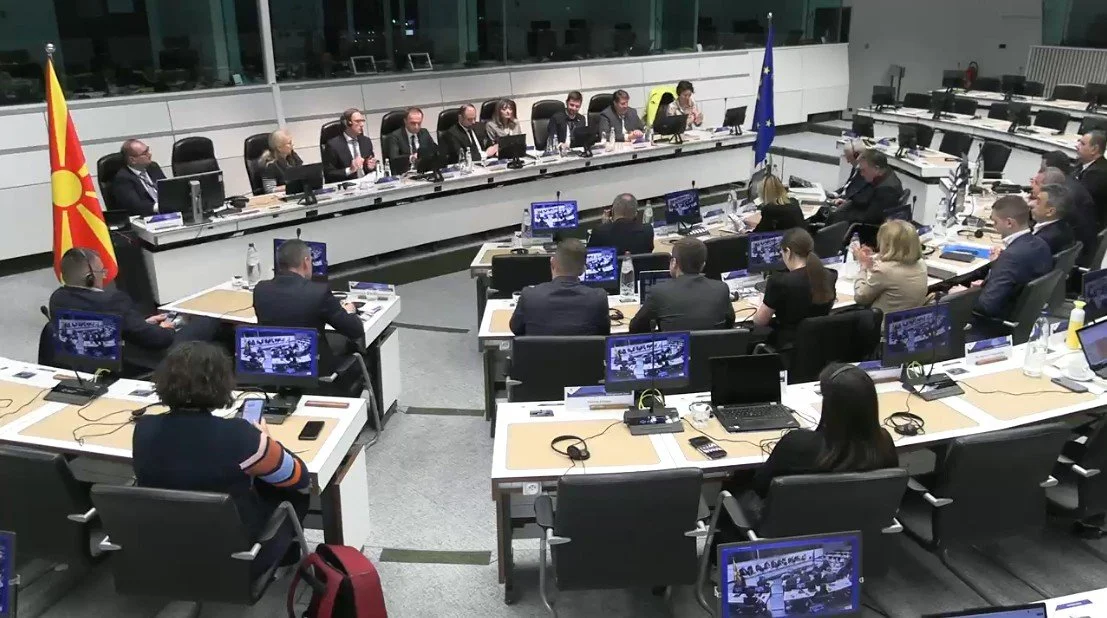
ECE Brussels at the CoR Enlargement Days 2026
